Bass Instruction • Melrose, MA
Jazz Lessons in Melrose, MA & Worldwide
Jazz is a language built through listening, interaction, rhythm, and individual expression. I’m Bruce Gertz, a professional jazz bassist and educator based in Melrose, MA. I offer jazz bass instruction to students locally and worldwide, informed by decades of teaching, performing, composing, and recording.
Whether you play upright or electric bass, my goal is to help you understand the music more deeply and develop a stronger musical voice.
Pedagogical Philosophy
Learning Jazz Goes Beyond Playing the Right Notes
Jazz lessons should give you more than exercises to practice. The music asks you to listen closely, understand your role, react to other musicians, and make choices in real time.
Those skills take time to develop.
My perspective as a jazz music instructor comes from a career spent both teaching and performing. I have served as a Professor of Bass at Berklee College of Music since 1976. I have also spent decades performing and recording with musicians including Gary Burton, Jerry Bergonzi, John Abercrombie, Bill Frisell, Dave Brubeck, Joe Lovano, and many others.
That experience has shown me that technical ability is only one part of musicianship. A bassist also needs time, sound, awareness, vocabulary, and the ability to support the music while contributing something personal.
When I teach jazz bass, I want you to understand why something works musically, not simply memorize what to play.
Bruce Gertz Music
Professor of Bass, Berklee College of Music (since 1976)
Image courtesy of: Frances Scanlon
Core Musicianship
Building the Foundations of Jazz Bass
The bass has a distinctive responsibility in jazz. It can help establish time, define harmony, support an ensemble, and participate in an improvised musical conversation.
Developing those abilities requires attention to several connected areas of musicianship.
Time, Rhythm & Feel
Developing a dependable sense of time is not simply about playing with a metronome or placing notes correctly. It also involves listening to the musicians around you and understanding how your rhythmic choices affect the entire group.
Jazz bass instruction can help you become more aware of pulse, phrasing, rhythmic placement, and the relationship between the bass and the rest of an ensemble.
Listening & Musical Awareness
You need to hear more than your own instrument. The harmony, melody, rhythm, dynamics, and ideas coming from other musicians all influence what you might play next.
I encourage an approach where listening and playing develop together. The more clearly you hear what is happening, the more purposeful your musical decisions can become.
Improvisation & Musical Vocabulary
Developing improvisational ability can involve understanding harmony, recognizing musical relationships, building vocabulary, and learning how to shape an idea over time.
The goal is not to make you sound like someone else. Studying the language of jazz can give you more tools for discovering how you want to sound.
Acoustic Tradition
Upright Bass Instruction
The upright bass has been central to my professional career and remains one of the defining sounds of jazz.
Learning the instrument involves coordinating physical technique with musical awareness. Sound production, articulation, time, note choice, and interaction all contribute to how the bass functions within an ensemble.
My approach to upright bass lessons is informed by years of performing, recording, and teaching. I look at the instrument as both a technical challenge and a musical voice.
The objective is not technique for its own sake. Stronger technique should give you greater freedom to express what you hear.
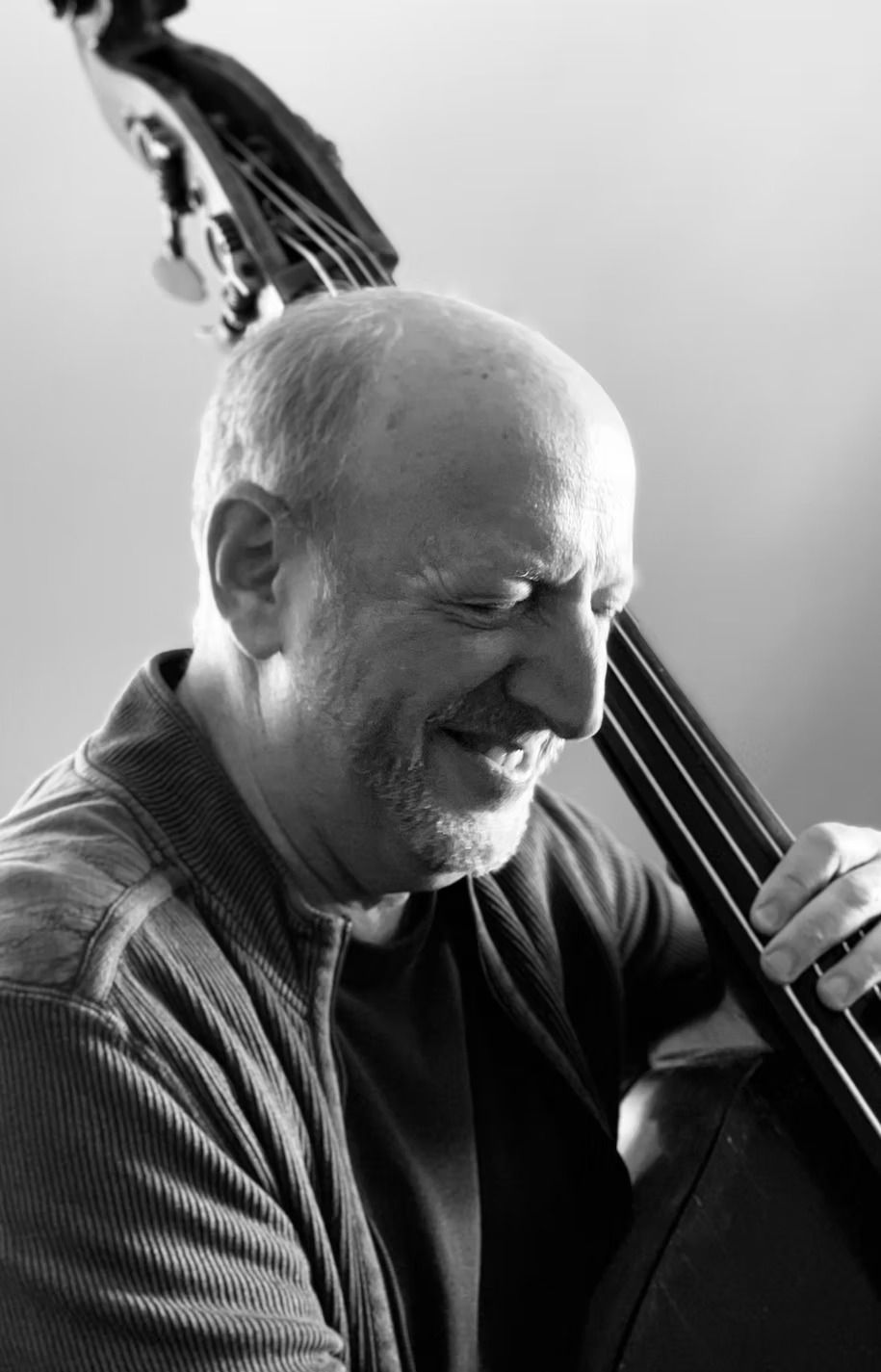
Sound Production • Articulation • Ensemble Interaction
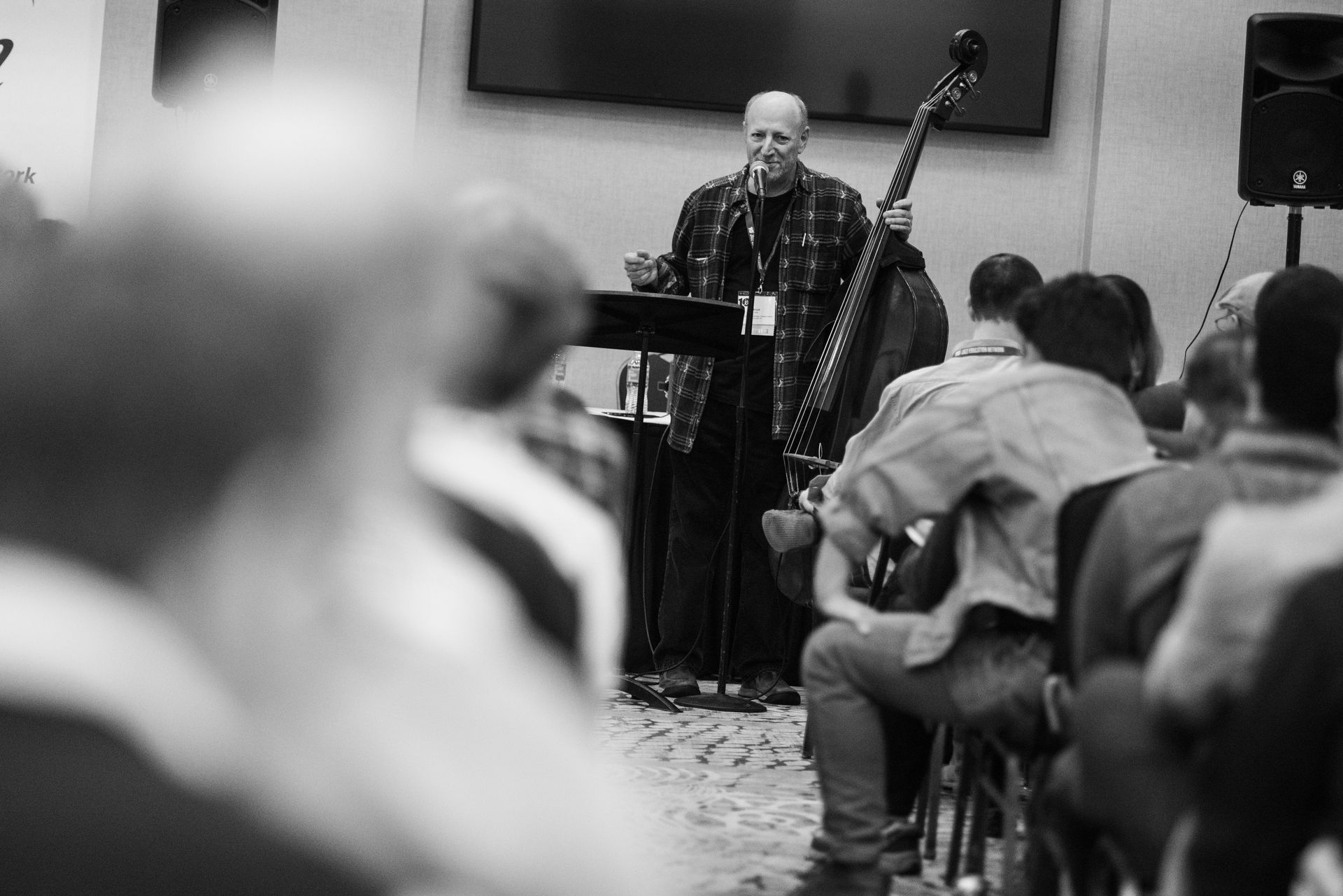
Touch • Rhythmic Placement • Articulation
Image courtesy of: Frances Scanlon
Roots Since Age 14
Electric Bass Instruction
My relationship with the bass began on electric bass at age 14, and I continue to play and teach the instrument.
Electric and upright bass share important musical responsibilities, but they are not identical instruments. Touch, articulation, sound, physical approach, and musical context can require different decisions.
My experience with both allows me to approach electric bass instruction from the perspective of a bassist who understands how the instrument functions within jazz and ensemble playing.
If electric bass is your instrument, the same larger questions remain important: Are you listening? Is your time strong? Do your choices support the music? Are you developing a voice that sounds like you?
Developing Your Own Musical Voice
One of the most rewarding parts of studying jazz is discovering that improvement does not have to mean becoming an imitation of another musician.
We learn from the players who came before us. We study recordings, absorb vocabulary, examine harmony, and listen to different approaches. Eventually, that information needs to become part of our own musical thinking.
I still work on that process myself.
Most mornings, I compose at the piano in my Melrose home. Sometimes I find only a small musical idea. I have learned that a small idea can become something meaningful when you stay curious and continue working with it.
I bring that same attitude to teaching. Musical growth comes from attention, persistence, experimentation, and a willingness to listen differently.
The Instructor
Why Study Jazz Bass With Me?
Choosing a bass instructor is also about choosing a musical perspective. My teaching draws on experience developed across education, live performance, composition, and recording.
Decades of Teaching Experience
I have served as a Professor of Bass at Berklee College of Music since 1976.
Upright & Electric Bass Background
I have extensive professional experience on upright bass and have played electric bass since age 14.
Professional Performance Perspective
My career includes performing and recording with internationally recognized jazz musicians.
Recognized Jazz Education
My educational contributions have received recognition from the International Association of Jazz Educators and Jazz Education Network.
Active Creative Practice
I continue to compose, record, perform, and develop my own musicianship.
Common Inquiries
Frequently Asked Questions
Yes. I have extensive experience with upright bass and began playing electric bass at age 14. I continue to play and teach both instruments.
Instruction can address areas such as technique, listening, rhythm, interpretation, improvisational development, musical vocabulary, and ensemble awareness. The emphasis depends on your musical background and goals.
No specific experience requirement was provided for publication. Contact me and tell me about your playing background so we can discuss whether my instruction is appropriate for your goals.
I am based in Melrose, Massachusetts, and offer jazz lessons, upright bass instruction, and electric bass instruction to students locally and worldwide. Contact me to discuss current lesson details and availability.
Lesson rates have not been provided for publication. Contact me directly for current pricing and lesson information.
Call (781) 662-5856, email bgertz@berklee.edu, or use the website contact form. Tell me which instrument you play and a little about what you want to develop.
Begin Instruction
Develop Your Musicianship With Bruce Gertz
Jazz is a lifelong process of listening, learning, and discovering new possibilities. After decades of teaching and performing, I continue to approach music with curiosity.
If you want to develop your jazz bass playing, strengthen your musicianship, or explore a deeper relationship with upright or electric bass, whether you are based in the Melrose area or elsewhere in the world, contact me about lessons.
Tell me about your musical background, your instrument, and what you hope to accomplish. We can begin the conversation from there.
Email Address
Send an Inquiry
Inquire about bass lessons, performance bookings, or book & album orders.
Contact Us
We will get back to you as soon as possible.
Please try again later.